
How Do Other People's Expectations Influence Your Personal Brand?
As your personal brand becomes more visible, you may discover that other people have pre-conceived ideas about you.
Perhaps they expect you to remain agreeable, avoid controversial opinions or continue presenting yourself in the way they've become accustomed to.
When your name and reputation carry considerable weight, challenging those expectations can feel uncomfortable, particularly when the people involved are clients, peers or professional connections whose opinions you value.
How much are other people's expectations influencing the way you present yourself and the opinions you're willing to share?
In this blog, we'll explore how to manage other people's expectations, set boundaries and become more confident in expressing your perspective.
We'll also consider what Human Design can teach you about external expectations. Although relevant to all Profiles, those with a 5/1 Profile may be particularly familiar with this pressure due to the fifth line's association with projection.
Why Do Other People's Expectations Affect Your Personal Brand?
Throughout our lives, we absorb expectations about how we should behave, what makes us acceptable and whose approval matters.
Some come from family and cultural influences. Others develop through professional relationships and the environments in which we've learned to succeed.
As a founder, you may have developed particular ways of communicating because they've helped you establish trust and navigate relationships.
But what happens when you want to express a perspective that challenges what people have come to expect from you?
Perhaps you find yourself editing a LinkedIn article to make an opinion more acceptable or declining a podcast invitation because the conversation could touch on something controversial.
The fear of disappointing people can influence which ideas you share and how confidently you express your individuality.
In her article Why It Doesn't Pay to Be a People-Pleaser, psychologist Christine Carter from the Greater Good Science Center at the University of California, Berkeley, explores how seeking approval can distance us from our own preferences and values.
Carter discusses how anticipating what others want and adjusting our behaviour accordingly can create stress and affect our relationships.
When building your personal brand, how often are you expressing your own perspective, and how often are you adjusting it to meet someone else's expectations?
How Can You Manage Other People's Expectations Without Losing Yourself?
Imagine you've been invited onto a podcast to discuss an issue you feel strongly about.
You have considerable expertise and a perspective that challenges conventional thinking in your industry, and you're looking forward to contributing your ideas.
Then you start considering who might listen to the episode.
Perhaps a long-standing client will disagree with you, or someone who has always considered you diplomatic might be surprised by your opinions.
You begin adjusting what you intend to say, choosing more acceptable language and removing the strongest parts of your argument.
By the time you've finished preparing, your perspective has become considerably less distinctive.
If you continually adjust your opinions to accommodate everyone else's preferences, how will people come to recognise what you stand for?
Expressing your perspective requires judgement, and there are situations where discretion, sensitivity and careful communication matter.
Before changing how you communicate, consider whether you're making a deliberate decision based on your values or anticipating someone else's disapproval.
That distinction can help you recognise when external expectations are influencing your personal brand.
Personal Branding, Reputation and Fear of Judgement
As your visibility increases, more people will encounter your ideas, personality and opinions.
Some will appreciate your perspective, while others may question it or disagree.
For a seven-figure female founder seeking greater personal recognition, this becomes particularly relevant. You may want to contribute to industry conversations, become known for your ideas or receive invitations that reflect your individual expertise.
Those opportunities require people to understand what makes your contribution distinctive.
If your public presence is consistently shaped by what you believe others will approve of, your audience may struggle to recognise the qualities that make you memorable.
Your reputation develops through what people repeatedly experience of you, including the opinions you're prepared to express.
Being intentional about your personal brand means considering which ideas and perspectives you want associated with your name.
Setting Boundaries Around Other People's Expectations
Managing expectations also involves becoming clearer about the responsibilities you're prepared to accept.
A client may expect you to be constantly available, while a collaborator might assume you'll support an initiative because you've worked together previously.
You can choose to decline a collaboration that conflicts with your values, establish clearer communication boundaries or decide that certain subjects belong outside your public content.
You can explain those decisions respectfully without feeling obliged to secure everyone's agreement.
Research reported by the American Psychological Association suggests that people can overestimate how negatively others will react when they decline social invitations.
Although the research concerns social situations, it offers an interesting perspective on how we anticipate disappointment.
Read: Just Say No to That Invitation, American Psychological Association
Some people may welcome your boundaries, while others may need time to adjust.
You can maintain a respected professional reputation while becoming more discerning about what you agree to.
What Can Human Design Teach You About Other People's Expectations?
Human Design provides a framework for exploring your natural tendencies, decision-making and the conditioning that may influence your behaviour.
Two particularly useful aspects to explore are your Human Design Profile, which offers insight into how you interact with others and the expectations you may encounter, and your Authority, which provides a personalised approach to making decisions.
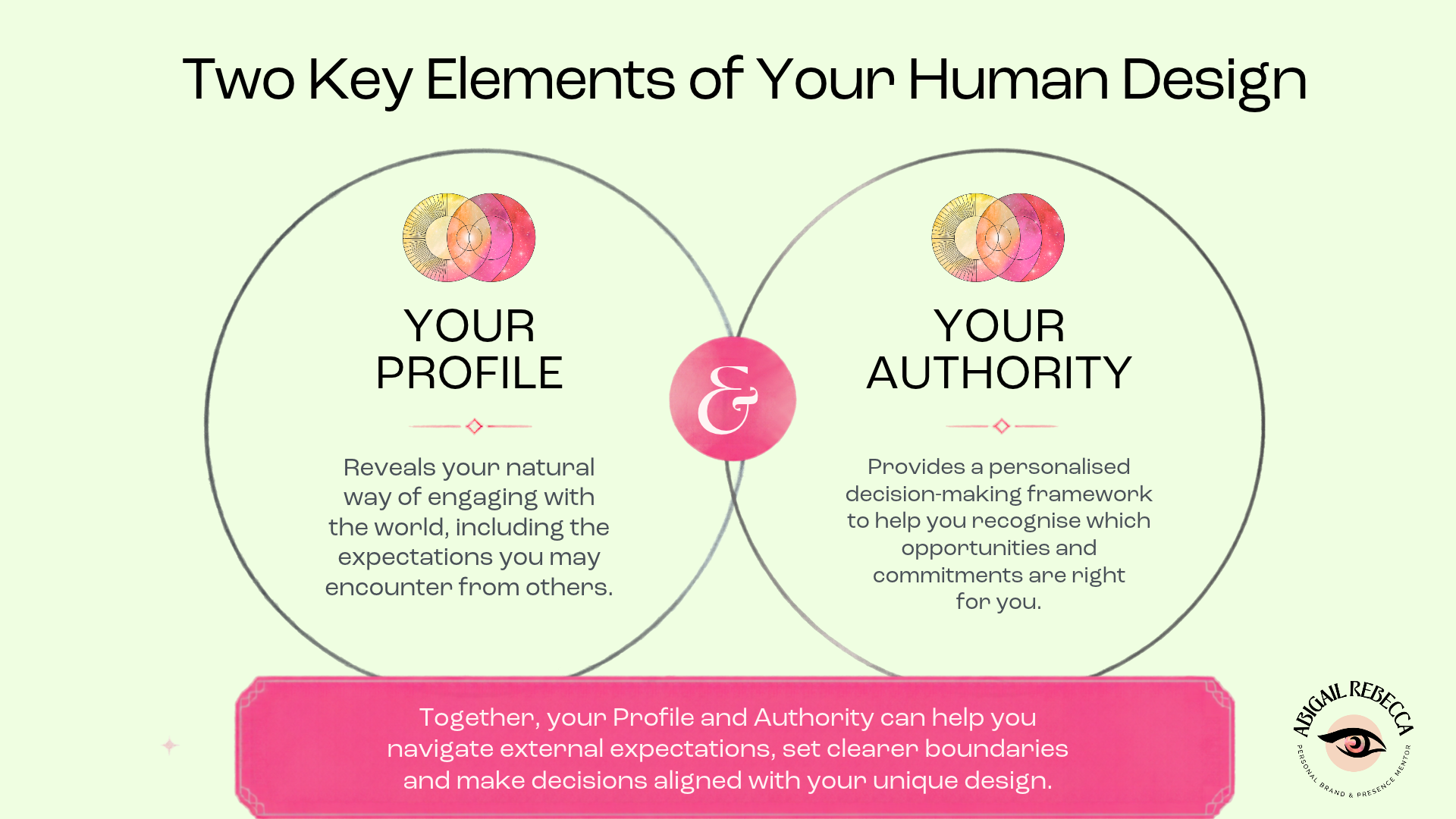
Although every Profile can experience external expectations, the 5/1 Profile, known as the Heretic/Investigator, offers a particularly interesting example.
For a founder with a 5/1 Profile, the fifth line (Heretic) is associated with projection. Other people may expect you to provide solutions, offer guidance or take responsibility for problems that aren't necessarily yours to solve.
The first line (Investigator) brings a natural desire to research, investigate and understand things thoroughly before sharing your knowledge.
Together, these two lines can create a dynamic between the expectations others place upon you and your own need to feel prepared and confident in what you're sharing.
I've explored this further in my blog 5/1 Leaders: How to Stop Carrying Everyone Else's Expectations.
Regardless of your Profile, your Human Design Authority can help you explore how to make decisions that feel right for you, particularly when considering invitations, opportunities or requests from others.
Rather than automatically agreeing to meet someone's expectations, you can experiment with using your Authority to recognise which commitments are appropriate for you.
Human Design is a reflective framework rather than a scientifically validated personality assessment.
Your Personal Brand Needs Room to Evolve
As your ambitions and perspectives develop, the way you want to be recognised may change.
Perhaps you're becoming more interested in speaking about issues beyond your immediate expertise, expressing stronger opinions or pursuing opportunities that previously felt outside your comfort zone.
People who have known you for years may need time to become familiar with these aspects of you.
Their responses can offer useful feedback, particularly when they come from people whose judgement you respect.
Ultimately, you decide which expectations are appropriate for the woman you are today and the reputation you want to develop.
Four Ways to Manage Other People's Expectations
In summary, here are four practical takeaways:
Recognise external expectations. Consider whose opinions are influencing your decisions.
Own your reputation. Be confident in expressing the perspectives you want to be known for.
Set clear boundaries. Protect your time, energy and professional commitments.
Trust your decision-making. Use your Human Design Profile and Authority to explore what feels right for you.
Discover Your ICONIC Visibility Guide
If you're considering how to become more personally recognised for your ideas, individuality and presence, your Human Design can offer a useful starting point.
My ICONIC Visibility Guide explores your natural visibility strengths, the conditioning that may influence how you show up and opportunities to develop a personal brand that reflects who you are.
Discover Your ICONIC Visibility Guide
What would you be more willing to share if you were less concerned about disappointing the people who already know you?