Imposter Syndrome in Successful Women Founders
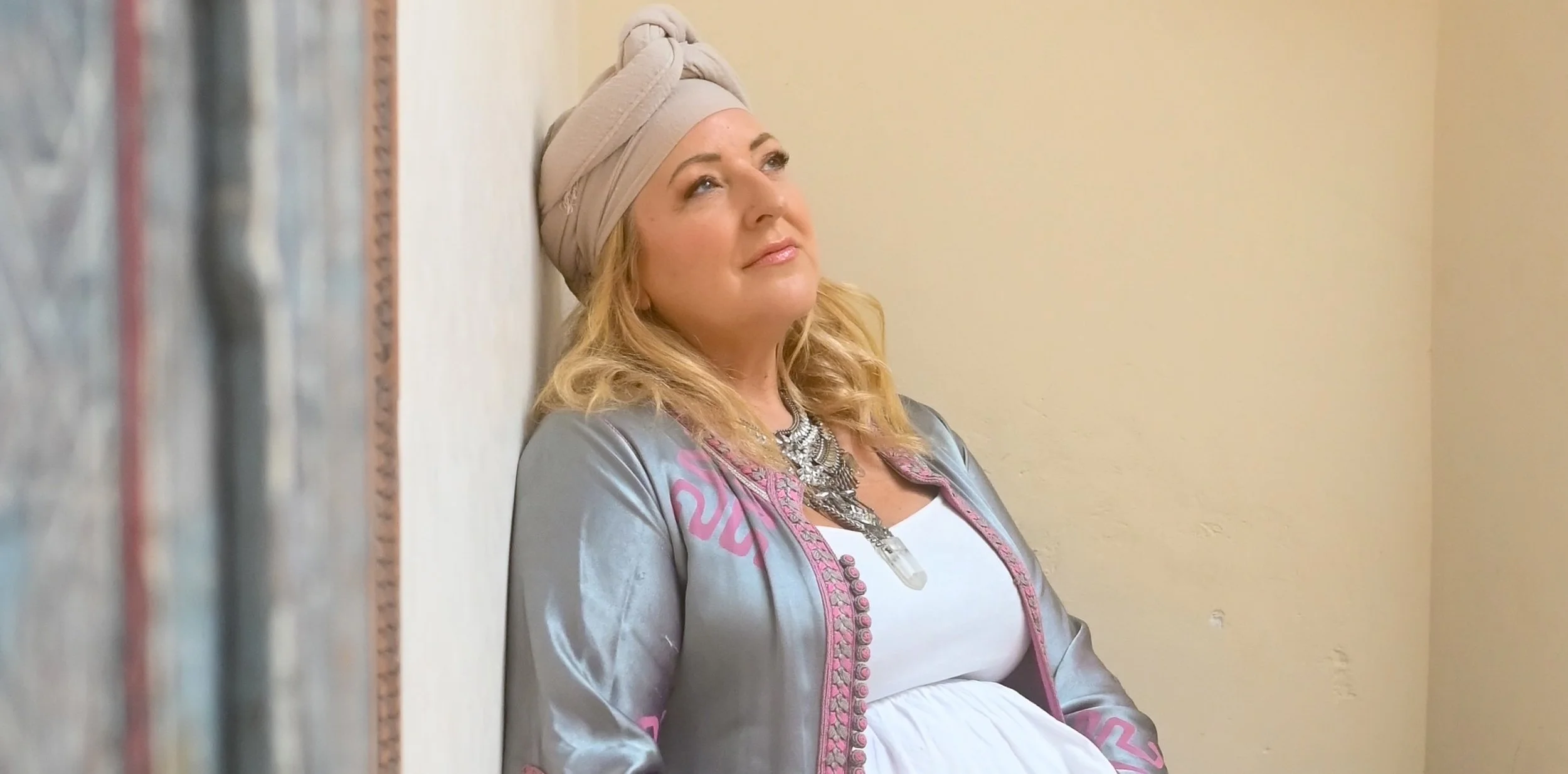
Stepping into the spotlight can awaken self-doubt in even the most successful women founders
Even the most accomplished founders can question whether their voice deserves the recognition their business already enjoys.
When you're invited to speak at a prestigious industry event by an organiser who knows your business, admires what you've achieved and wants YOU on stage to share your perspective, do you find yourself questioning whether you really deserve to present there?
It's exactly the kind of opportunity you've been wanting. Your experience speaks for itself, your business has an established reputation and you have plenty to say about your industry.
But, perhaps you find yourself looking at the other speakers and wondering whether your experience measures up. You start thinking about how your opinions might be received or whether the audience will find your perspective valuable.
So why does a woman who confidently leads a seven-figure business, makes important decisions and takes calculated risks suddenly question her authority when the spotlight turns towards her personally?
Welcome to imposter syndrome at the next level.
Your Business Has More Confidence Than You Do
There's a certain security that comes from speaking on behalf of an established business. You have your products, services, results and reputation to support what you're saying. People recognise the company you've created and understand the value it delivers.
When someone invites you to share your personal perspective, the experience can feel quite different.
Suddenly, people are interested in what YOU think, want YOUR opinions, experiences, and interpretation of what's happening in your industry.
That can feel surprisingly exposing.
You may be confident discussing your business achievements, yet hesitate to publish an article expressing a strong personal opinion. Despite years of experience, you can still find yourself comparing your presence and perspective with other founders who appear more polished or established in the public eye.
Perhaps you've even caught yourself thinking, "Who am I to be talking about this?"
It's worth considering how much authority you've already earned through the decisions you've made, the challenges you've navigated and the expertise you've developed along the way.
Your business has benefited from that expertise for years, and now there's an opportunity for your own name to become associated with it.
Why Imposter Syndrome Can Persist After Business Success
As your personal visibility grows, so does the possibility of being judged.
When you're primarily recognised through your business, people tend to focus on what the company does, what it offers and the results it produces. As you become more visible personally, people begin forming opinions about you, your personality and your perspective.
Some will agree with you whilst others won't.
For women who have spent years being capable, responsible and successful, the prospect of being publicly criticised can bring old patterns to the surface.
Perhaps you learned early in life that being liked was important, expressing strong opinions could create conflict or drawing too much attention to yourself was best avoided.
Those beliefs don't necessarily disappear when you become successful. They can show up in subtle ways, such as rewriting a perfectly good social media post five times, softening an opinion to avoid disagreement or declining a speaking opportunity because you don't feel quite ready.
Research published in Gender in Management in 2026 explored the imposter phenomenon among women in manufacturing leadership positions in the UK and South Africa. The researchers found that feelings of self-doubt could persist throughout their careers, including as they progressed into senior leadership roles.
Perfectionism can be particularly persuasive when your professional reputation matters to you. You want your personal brand to reflect the standards you've established through your business.
Naturally, you care about how you're perceived, but there's a difference between being intentional about your reputation and feeling that every public appearance must demonstrate how accomplished you are.
The latter can become exhausting.
The Qualities You Overlook May Be the Ones People Remember
One of the things I find interesting in my work with successful women is how easily they can recognise the strengths of others while overlooking their own.
Perhaps you're naturally direct, intuitive, analytical or unconventional in your thinking. These qualities have contributed to your success, yet because they come so naturally, you don't necessarily consider them particularly valuable.
You might even have spent years editing certain aspects of your personality to fit professional expectations.
When you begin thinking about building a more visible personal brand, it's tempting to look towards other successful women for inspiration. You notice how confidently they speak, how beautifully they present themselves or how easily they seem to attract opportunities.
Before long, you're comparing your natural way of expressing yourself with someone else's carefully developed public presence.
This is one of the reasons Human Design is the starting point for my work with women developing an ICONIC personal brand. It offers a different lens through which to explore individuality, natural strengths, decision-making and energy.
Rather than automatically assuming that someone else's approach to visibility will work for you, we can begin examining what feels natural, where you tend to question yourself and how you want to express your expertise.
For some women, this brings greater appreciation for qualities they've previously dismissed. Whilst for others, it opens up a conversation about the expectations they've been carrying and whether those expectations still serve them.
That awareness can be valuable when deciding how you want to become known.
You Don't Need Everyone to Agree With You
As your personal brand develops, there will be moments when your perspective challenges someone else's.
That's part of becoming recognised for having ideas worth discussing.
You may have spent years establishing credibility within your industry, but personal recognition asks you to become more comfortable expressing what you believe, even when your opinion differs from the prevailing conversation.
Consider the founders you admire.
Chances are, you can identify something distinctive about the way they think, communicate or approach their work, and you recognise their personality alongside their professional achievements.
They've given you something to associate with their name which is worth considering when you develop your own presence.
What are the ideas you want people to associate with you? Which conversations do you want to contribute to? What perspective have you developed through years of experience that deserves a wider audience?
These questions are far more useful than trying to work out how to appear more impressive. Particularly as you already have the credentials and there's an opportunity now to become more intentional about how you express them.
Becoming Comfortable With Your Own Recognition
There can be a strange adjustment period when people begin recognising you independently of your business.
You're accustomed to being the founder, the decision-maker and the person responsible for the company's success. Now you're also becoming someone whose ideas and presence attract attention in their own right.
That can be exciting, particularly when it brings invitations to speak, contribute to influential conversations or collaborate with people you've long admired.
It can also require you to reconsider how you see yourself.
You may need to become more comfortable receiving compliments, acknowledging your expertise without immediately qualifying it and allowing people to recognise qualities you've previously taken for granted.
Even when you've established yourself as an expert, promoting your own achievements can feel uncomfortable. You might worry about appearing boastful or drawing attention to yourself in ways that invite judgement.
Research published in Nature Communications in 2025 found that women academics were approximately 28% less likely than their male counterparts to promote their published work on social media, with the difference particularly noticeable among highly accomplished researchers.
It's an interesting reminder that professional recognition and comfort with self-promotion don't necessarily go hand in hand, so don't beat yourself up about it.
This is where self-trust becomes so important.
The more you appreciate your own perspective, the easier it becomes to make intentional decisions about where you want to be visible, what you want to share, and which opportunities deserve your energy.
You can develop a public presence that reflects your personality and ambitions while remaining connected to the woman you've become through years of experience.
Finally, you can allow yourself to enjoy being recognised!
Your Name Deserves Its Own Reputation
There's something exciting about reaching a stage in business where people want to hear from the woman behind the company. They've seen what you've created, and now they're curious about the person whose ideas, decisions and vision made it possible.
That curiosity creates an opportunity to develop a personal brand with its own identity, influence and reputation. The most important part of that process is recognising the value of what you already bring.
Your expertise doesn't become more valuable when someone hands you a microphone, nor does your perspective suddenly become more credible because you're invited onto a prestigious podcast.
Those opportunities create new ways for people to discover what has been there all along.
So the next time an invitation arrives and you catch yourself questioning whether you're qualified, consider what the person extending that invitation may already recognise in you.
It's time you recognised it too.
Ready to Build Your ICONIC Personal Brand?
I work with 7-figure female founders who want to become recognised for their own ideas, expertise and presence.
Through The ICONIC Method™, we explore the individuality, self-trust, energy and personal presence that support a distinctive personal brand.
If you're ready to become more intentional about what you want to be known for, explore my Private Mentorship.
I'd love to know: Have you ever felt more comfortable promoting your business than putting your own name and perspective into the spotlight?