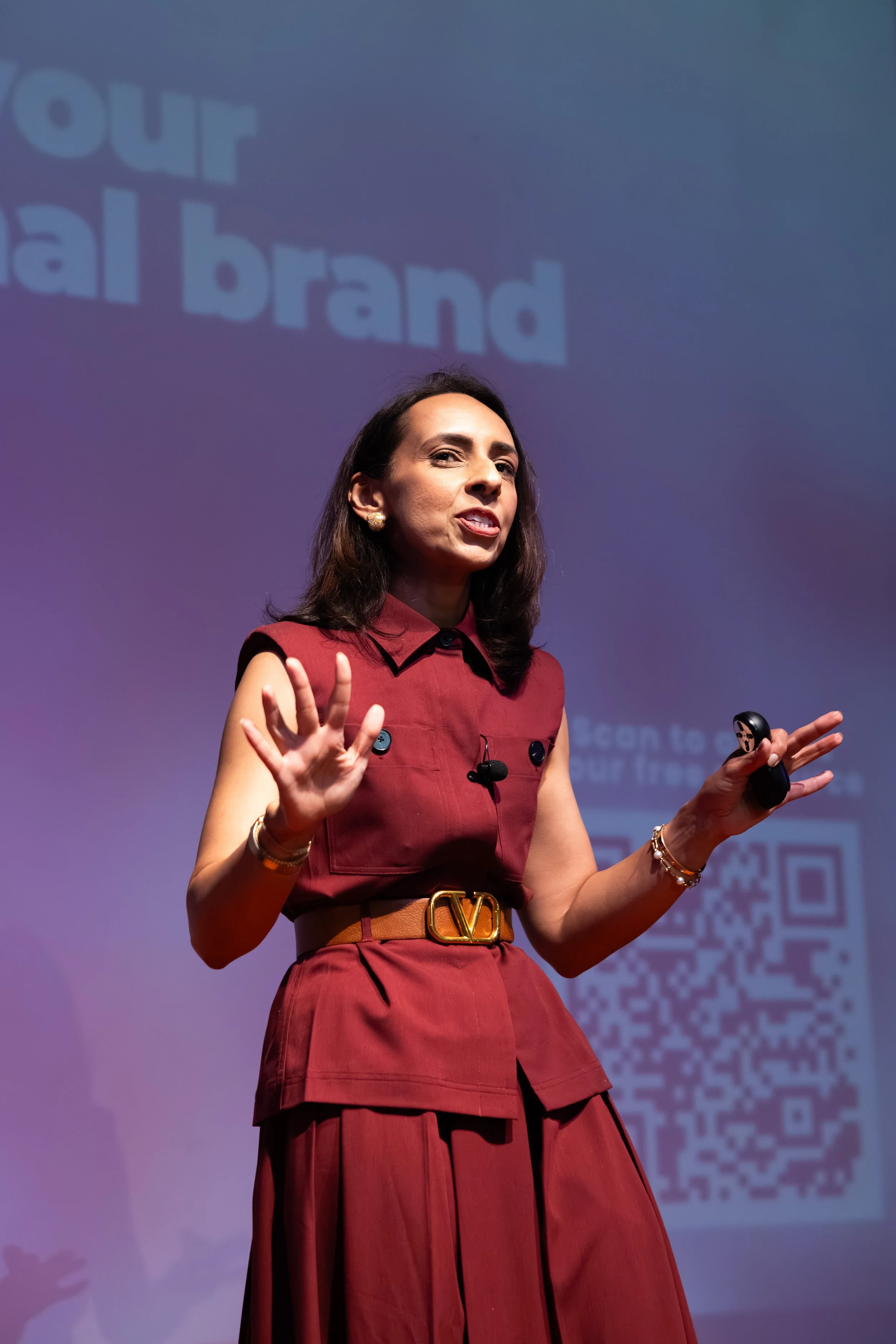
Client Case Story | Shreya Karia, Founder of SHK Consulting
What happens when you're an accomplished female founder who has spent years building a successful business, yet the way you've been taught to succeed is beginning to feel exhausting?
For Shreya Karia, founder of international brand consultancy SHK Consulting, this was a question worth exploring. After more than a decade running her own business, leading an all-female team and working with premium brands across the world, Shreya had plenty of evidence that her approach worked.
She was ambitious, driven and accustomed to making things happen. Yet she was increasingly aware of the personal cost of constantly pushing forward and expecting herself to operate at full capacity.
When she discovered Human Design, she began questioning whether there was a different way to achieve everything she wanted, while giving herself permission to work and lead in a way that felt more natural.
What followed was a series of practical changes that influenced her leadership, her relationships with her team and the way she approached her own personal brand.
Meet Shreya Karia, Founder of SHK Consulting
Shreya Karia is an award-winning brand strategist, speaker and founder of SHK Consulting, a boutique brand consultancy headquartered in Nairobi, Kenya, working with premium brands internationally.
With more than 16 years of experience across three continents, Shreya specialises in helping ambitious businesses establish distinctive brand positioning and create experiences that resonate with their customers.
Her consultancy's portfolio features internationally recognised names including Mercedes-Benz, LVMH and Forbes. SHK Consulting has also received the MEA Market Excellence Award for Brand Strategy.
Living between Nairobi, Dubai and London, Shreya has built a career around understanding what makes brands exceptional. She is passionate about helping businesses connect their purpose with the people they want to reach.
Yet behind her professional success was a leadership approach shaped by the belief that achieving more required constant effort.
When Success Comes With an Expectation to Keep Pushing
Shreya grew up believing that succeeding in business meant working harder, pushing through challenges and making herself known in an environment traditionally dominated by men.
It was an approach she understood well. She had built a successful business and developed a reputation for delivering high-quality work, but she had also become accustomed to operating at an intense pace.
She expected a great deal from herself and, understandably, often expected others to keep up.
As she reflected on her leadership, she recognised that this constant drive could eventually leave her burnt out.
Although she had wondered whether there might be another way, the alternatives she had encountered previously felt too disconnected from the realities of running a serious business.
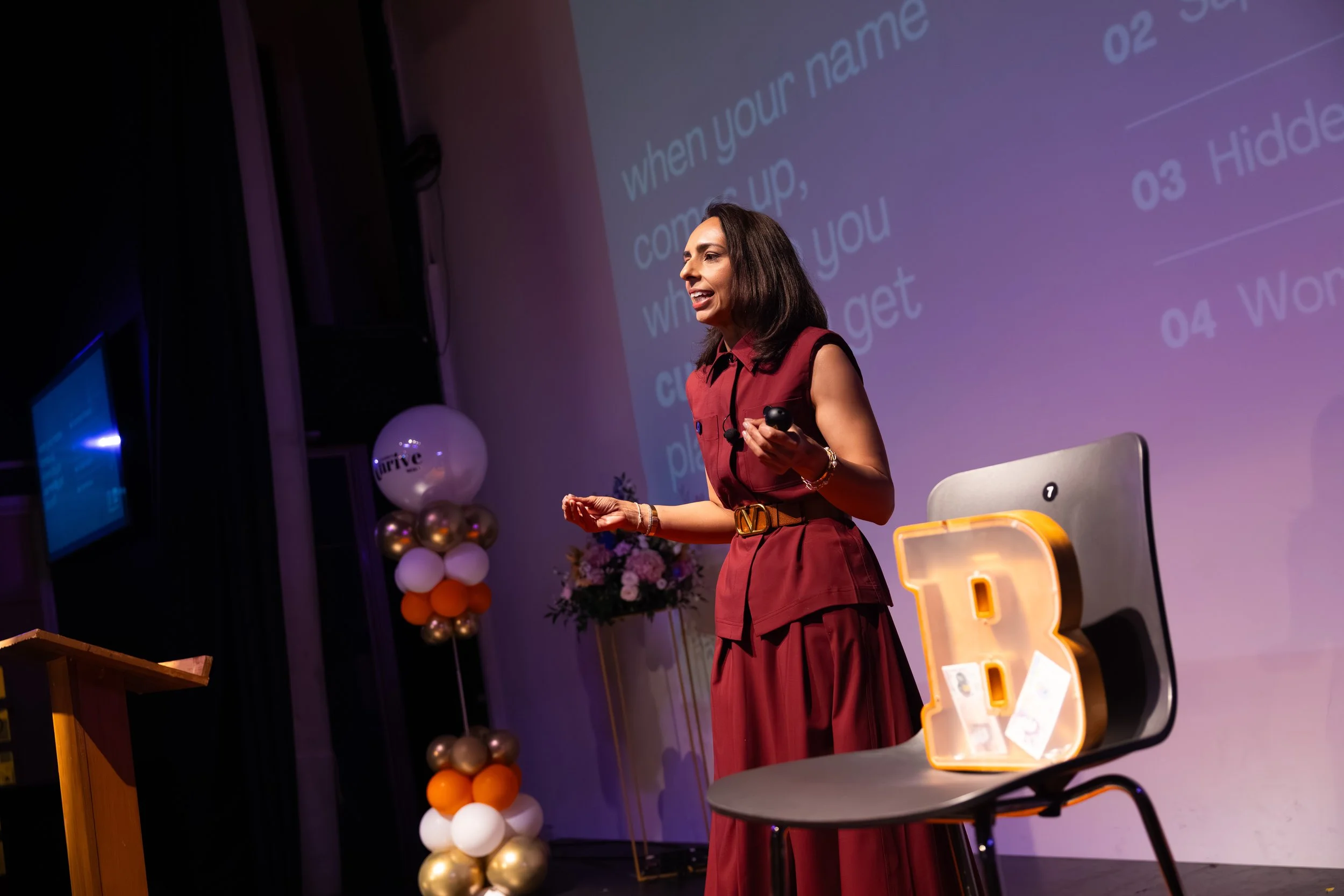
That began to change when she attended my Human Design talk at the Women Thrive Summit in 2026. You can find my talk; The Real Reason Hustle Culture is Costing You Millions here on my YouTube channel.
Shreya had never heard of Human Design before, but she was immediately intrigued by the way I explained it through the lens of leadership and individual behaviour.
My background in corporate leadership and high-performance business environments helped her see how Human Design could be explored practically, within the context of her own business.
After attending my complimentary Human Design training, she decided to book a private reading because she wanted to understand how she could lead her business more effectively while making decisions that also supported her own wellbeing.
Discovering Her Human Design as a Manifestor
During Shreya's private Human Design Reading, we explored her individual blueprint and how her natural tendencies influenced the way she approached work, relationships and leadership.
Shreya discovered that she was a Manifestor, a Human Design energy type associated with initiating ideas and creating movement.
This immediately resonated with her.
She had always been someone who could see an opportunity, develop an idea and want to move forward at extraordinary speed. What frustrated her was when other people struggled to keep up or appeared resistant to ideas she believed were excellent.
Through our conversation, we explored the Manifestor strategy of informing others before taking action.
For Shreya, this was an important distinction. She didn't need to ask permission to pursue her ideas, but communicating her intentions and involving the people affected could help reduce resistance.
It gave her a new perspective on how she could bring her team along with her ambitions.
And she soon had an opportunity to put it into practice.
If you would like to learn more about the Human Design Manifestor Type you can read my blog Human Design Manifestors: How to Build a Powerful Personal Brand and Presence.

From a Long-Held Idea to an Oversubscribed Brand Workshop
For years, Shreya and her team had discussed creating an exclusive, full-day brand workshop for CEOs, founders and senior leaders.
The expertise was already there. So was the ambition. Yet the workshop repeatedly fell down the priority list as client commitments took precedence.
Shreya also acknowledged something many accomplished founders will recognise. Beneath her confidence in the quality of the workshop was a question about whether people would actually attend.
Following her Human Design Reading, she decided it was time to move forward.
This time, however, she approached the process differently.
Rather than driving the entire initiative herself, she communicated her vision to the team, invited their perspectives and gave individuals ownership of different elements of the event.
The result exceeded their expectations. The workshop was oversubscribed.
Shreya was delighted, particularly because she recognised that the success went beyond the quality of the content they had created.
By involving her team more fully, she had encouraged greater ownership and commitment to the outcome.
The response also generated interest in further workshops, including smaller, private sessions for selected clients.
For Shreya, this was tangible evidence that understanding her natural way of operating could influence how she brought her ideas into the world.
Becoming a More Compassionate Leader
Another significant development came from reconsidering the expectations Shreya placed on herself and her team.
Throughout her career, she had developed an extraordinary capacity for work. She was used to putting personal challenges aside and concentrating on the responsibilities in front of her.
Over time, she realised that expecting everyone else to operate in the same way wasn't particularly helpful.
Her Human Design Reading encouraged her to recognise that people have different capacities and ways of working.
She began approaching her team with greater patience, particularly when individuals were dealing with difficult personal circumstances.
Shreya shared the example of one team member who had experienced a particularly challenging year. Previously, she might have responded by reinforcing expectations around performance and responsibility.
Instead, she chose to offer practical support, taking on additional work when necessary and encouraging the wider team to help.
She noticed a considerable difference in the employee's engagement and willingness to contribute, including during the successful brand workshop.
This experience also encouraged Shreya to reconsider the compassion she extended to herself.
She began recognising that her own capacity deserved the same consideration she was increasingly offering others.
Giving Herself Permission to Change the Pace
One of the most personal outcomes of Shreya's Human Design Reading was the realisation that she could make different choices about how she spent her time.
For years, she had associated successful leadership with being constantly available, moving quickly and having everything under control.
As she began experimenting with what she had learned, she became more comfortable allowing herself time to consider decisions before responding.
She also started declining invitations that didn't feel right, without the guilt she might previously have experienced.
These were relatively small changes in her daily life, yet they had a considerable effect on how she felt.
Shreya described experiencing greater peace and finding it easier to make decisions that reflected her own priorities.
This became particularly apparent when she faced a disappointing experience involving her personal brand.
Making Better Decisions About Her Personal Brand
As a brand strategist, Shreya understands the importance of reputation and positioning. However, developing visibility for her own name alongside her established consultancy presented a different challenge.
She had decided to invest in external support to manage her personal social media presence, freeing up time while developing her individual brand.
Unfortunately, the arrangement didn't deliver what had been promised.
Shreya recognised that her previous response might have involved immediate confrontation, frustration and questioning her own judgement.
Instead, she gave herself time to assess the situation and decide how she wanted to proceed.
When she was ready, she communicated her decision to end the working relationship clearly and professionally.
She honoured the agreed payment, explained her reasons and moved forward without allowing the experience to become a personal failure.
For someone who describes herself as a perfectionist with exceptionally high standards, this represented a significant change.
She was beginning to trust her own decisions while establishing boundaries around how she wanted to work.
And that confidence has an important place in personal branding.
As founders become increasingly recognised for their own expertise, the decisions they make about their visibility and professional relationships become more personal. Understanding how they naturally operate can help them approach those decisions with greater self-trust.
What Made Shreya's Human Design Reading Different?
Shreya approached Human Design with curiosity, although she also wanted to understand how it could be applied in a structured and practical way.
One of the things she particularly appreciated was the preparation that went into her private reading.
Before our session, I reviewed the information she had shared and prepared a personalised presentation to guide our conversation.
Throughout the reading, we explored the different elements of her Human Design and discussed examples relevant to her circumstances.
Shreya valued having the opportunity to ask questions and examine how the information related to her experiences.
She also appreciated receiving her recording, presentation and self-reflection questions afterwards, allowing her to continue exploring what she had learned.
For an experienced founder accustomed to making strategic decisions, this individual approach was particularly important.
The reading gave her a framework she could experiment with in her everyday life, rather than expecting her to make immediate changes to everything she had spent years building.
The Biggest Outcome Was Permission to Be Herself
When I asked Shreya to describe the most important outcome of her Human Design experience, she chose one word.
Permission.
Permission to approach success differently and question the expectations she had inherited about what it meant to be an accomplished businesswoman.
She still has ambitious goals for herself and her consultancy. She remains passionate about building exceptional brands and pursuing the opportunities that excite her.
What has evolved is her relationship with the process.
She has discovered that she can maintain her ambitions while respecting her own needs and the different ways other people operate.
For Shreya, that has been enormously valuable.
Her story also illustrates something I regularly explore with female founders. When you've spent years building a successful business, it's worth examining whether the identity and expectations that helped you get there still reflect the woman you're becoming.
Human Design can offer an interesting framework for that exploration, particularly when you are ready to consider how your natural strengths influence your personal presence and leadership.
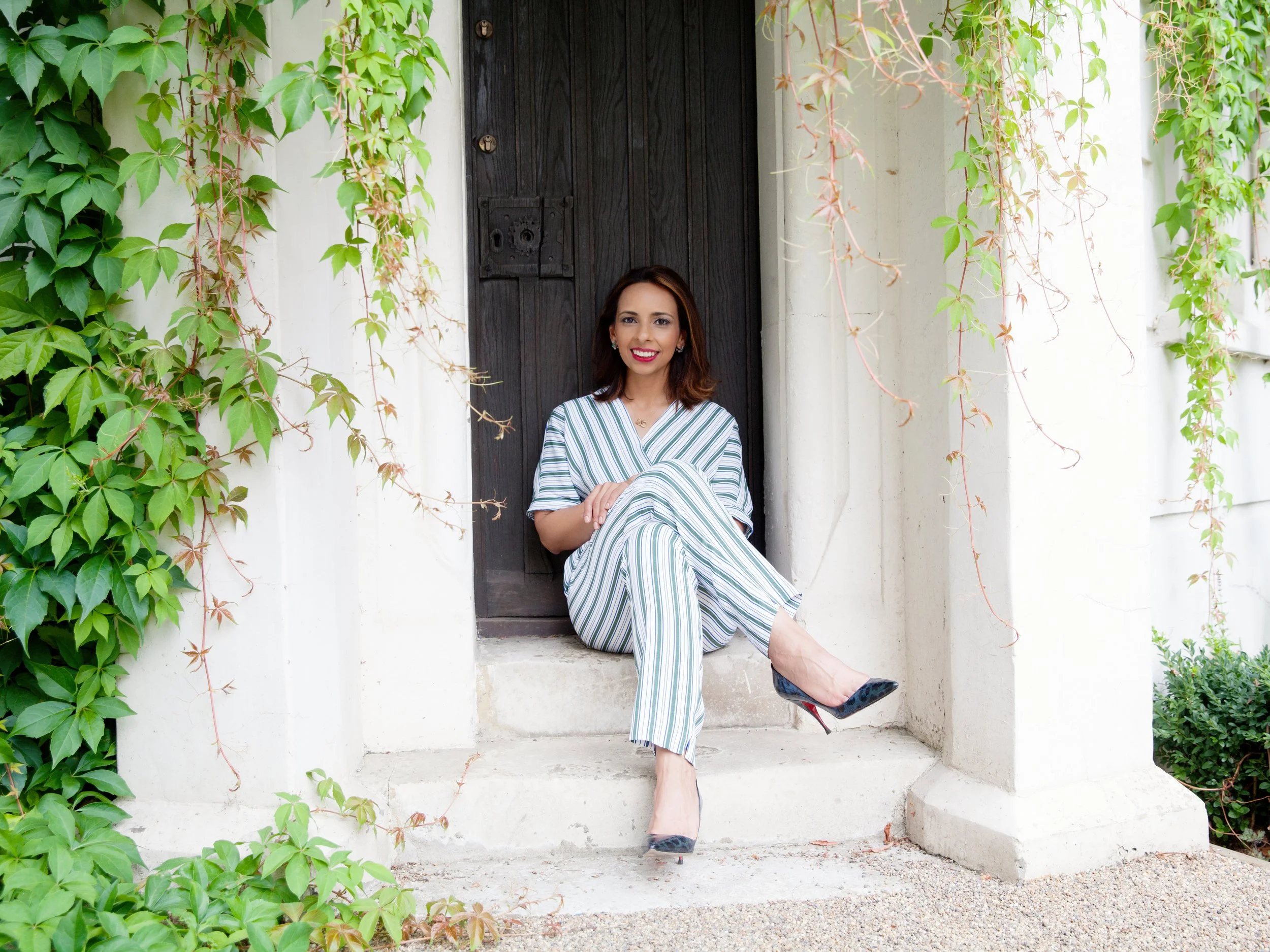
Discover More About Shreya Karia and SHK Consulting
Shreya continues to lead SHK Consulting, helping ambitious businesses create exceptional brands through strategic positioning and considered customer experiences.
Her work combines a sharp commercial perspective with a genuine passion for the people and purpose behind every brand.
If you're an established founder looking to elevate your company's brand positioning or explore a more distinctive approach to brand strategy, I encourage you to discover Shreya's work.
Explore SHK Consulting and learn more about Shreya's approach to building exceptional brands.
Ready to Explore Your Own Human Design?
If you're a successful female founder who has spent years doing things a particular way, you may be curious about what understanding your own Human Design could reveal.
Perhaps you're reconsidering how you manage your energy, questioning the expectations you've placed on yourself or exploring how you want to become more visible as the woman behind your business.
My private ICONIC Human Design Reading is a personalised two-hour experience where we explore your individual blueprint and how you can apply those insights to your leadership and personal brand.
You'll have the opportunity to bring your own questions and examine the areas where you're looking for greater clarity.
Schedule Your Human Design Reading
Abigail Rebecca is a Personal Brand & Presence Mentor and Keynote Speaker who works with seven-figure female founders to build ICONIC personal brands. Her work combines three decades of leadership and entrepreneurial experience with Human Design, mindset coaching, personal style and Kundalini practices.